
For property managers and associations
Exterior Grounds & Dumpster Area Maintenance
Exterior trash policing, dumpster-area maintenance, and written property-condition reporting on a seasonal schedule.
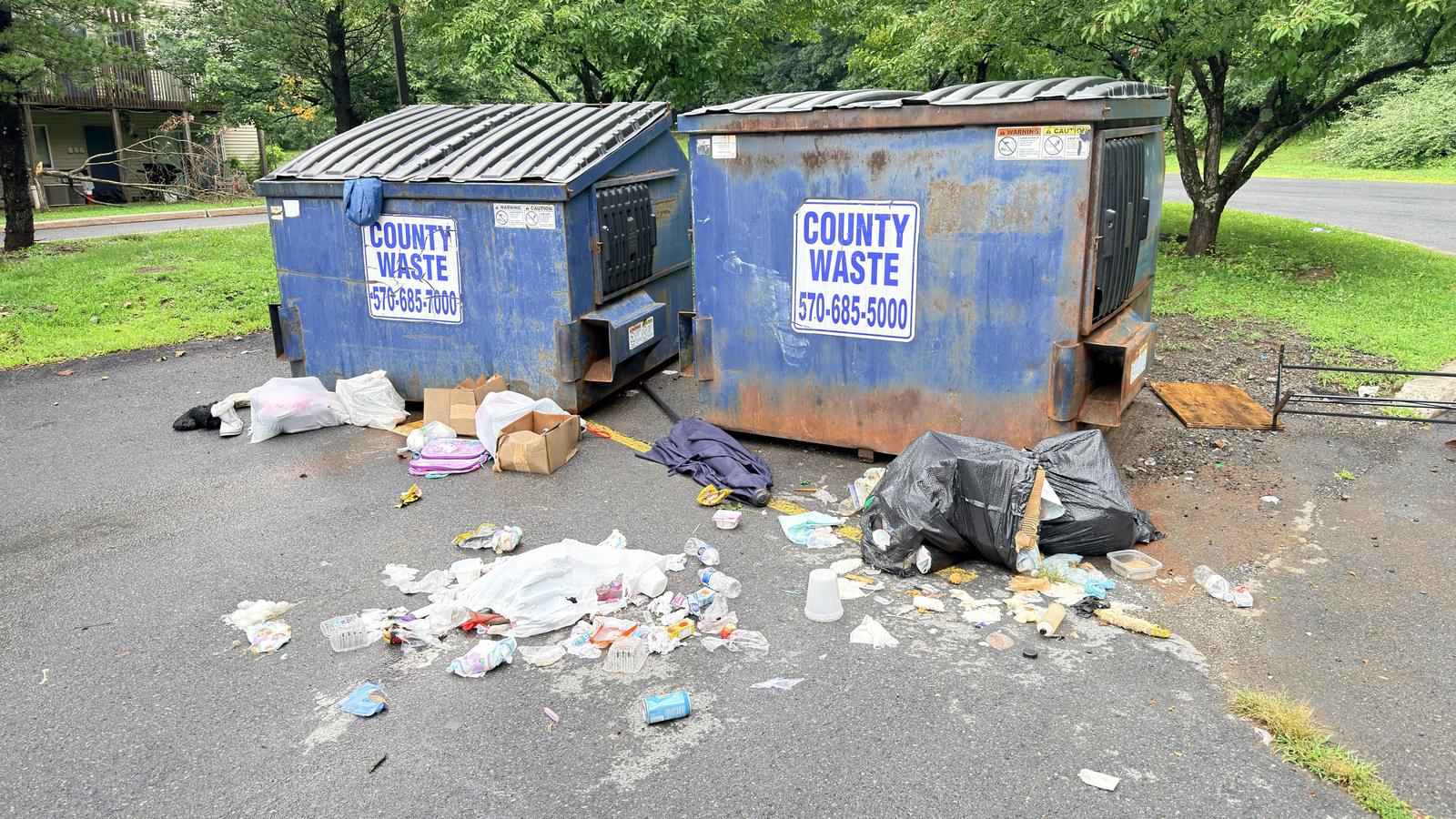
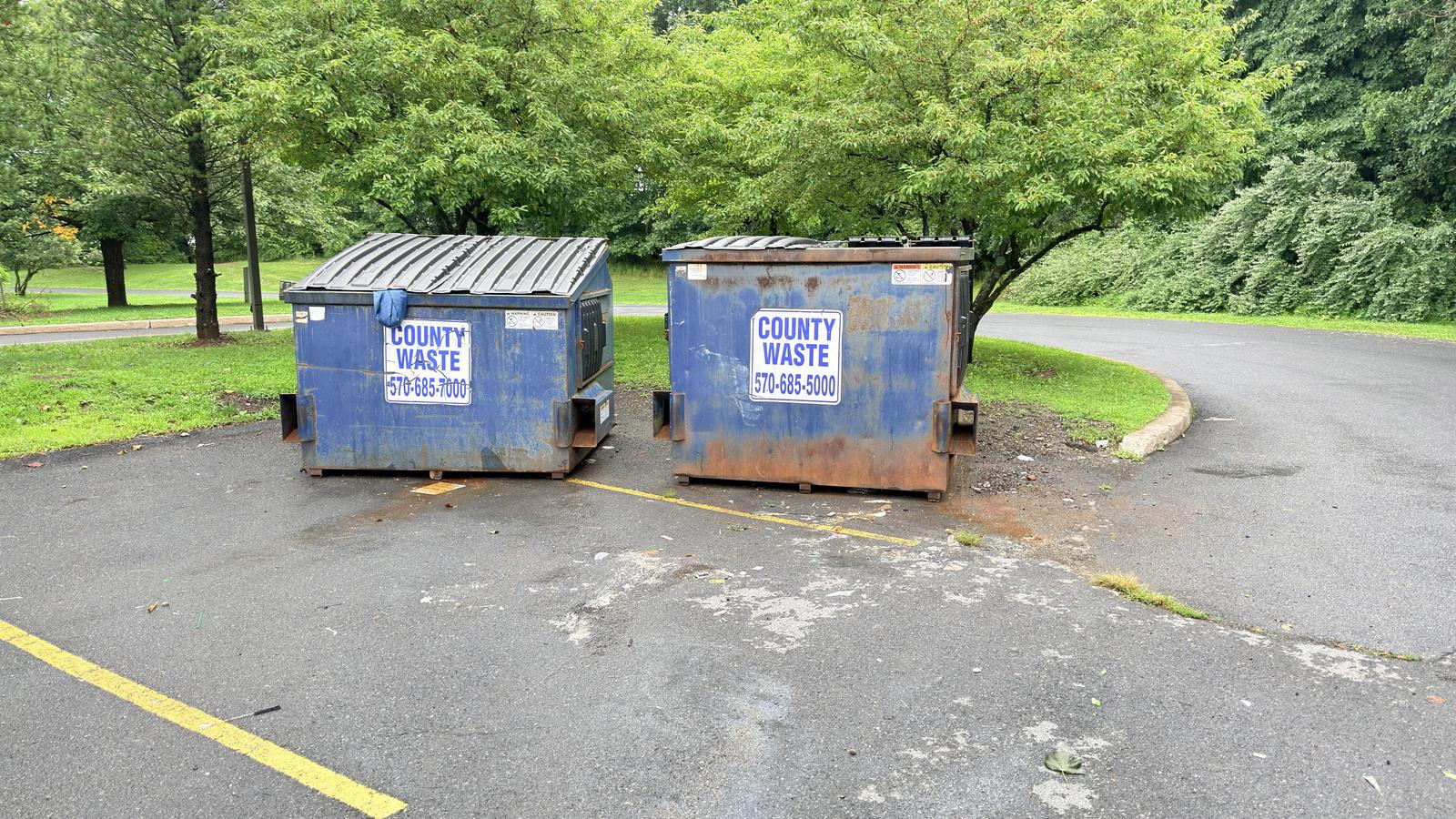
Dumpster areas are where a well-run property stops looking well-run. Overflow, bulk items nobody claimed, and windblown debris across the parking area are what residents photograph and what prospective tenants notice on the drive in.
This is not litter pickup. It is a recurring maintenance route with a documented scope, seasonal hours that track how the property actually behaves through the year, and photo documentation of the conditions that need your enforcement rather than our broom.
Built for
- Condo and homeowner associations
- Property management companies and their portfolios
- Apartment communities with shared dumpster areas
- Office parks and multi-tenant commercial sites
- Any property where dumpster overflow has become a standing complaint
What’s included
- Policing common areas for litter and loose debris — grass, curb lines, parking areas, walkways, and dumpster surrounds
- Cleaning and maintaining dumpster pads, corrals, and the ground around them
- Collecting bagged trash and overflow that can be safely placed into on-site containers
- Clearing light windblown debris from common areas
- Checking visible drainage grates and clearing loose debris where it is safely reachable
- Reporting safety concerns, property damage, blocked drainage, and unusual site conditions to your designated contact
- Photo documentation of overflow, illegal dumping, and recurring misuse
- Records of service dates, hours worked, and work performed
How it runs
A seasonal schedule
Weekly service hours are set per season, because a property does not generate the same volume in February as it does in July. The schedule is agreed in writing and is what we staff against.
Reserved capacity
Scheduled seasonal hours are a committed service level. We hold the labour and the route slot for your property rather than fitting it in when there is a gap.
Documentation you can act on
When the problem is a resident rather than a mess, you get photographs and dates. Enforcement is yours; evidence is ours.
A clear line around bulk items
Routine service covers what fits in your on-site containers. Furniture, mattresses, construction debris, tires, and anything needing off-site hauling or a dump fee is quoted separately rather than absorbed quietly or ignored.
Common questions
Is this the same as landscaping or groundskeeping?
No. Landscapers cut, trim, and plant. This is trash and debris control plus dumpster-area maintenance, and it usually runs alongside a landscaping contract rather than replacing it. If your landscaper is already picking up litter to get at the grass, they are doing it as an inconvenience, not as a documented service.
What happens when someone dumps a couch by the dumpster?
We photograph it, document the date, and report it to your designated contact. Removing it is separate work with a separate price, because bulk items usually mean a hauling trip and a disposal fee. We will not quietly absorb it into the routine hours, and we will not leave it there without telling you.
Our dumpsters overflow because the hauler does not come often enough. Can you fix that?
Not by cleaning harder. If container capacity or pickup frequency is the root cause, no amount of policing keeps the area clean — the overflow returns within a day. We will document the pattern so you have what you need to go back to the waste provider or adjust the service level.
Can hours be adjusted if conditions change?
Yes. Trash volume, dumping frequency, and site conditions all move. We review the schedule after the first 90 days, and either side can raise a written adjustment if what is actually happening on site no longer matches what was agreed.
Ready for a facility that stays clean?
A walkthrough takes about thirty minutes and costs nothing. You’ll get a written scope and a flat price.
No cost No contract Insured to $1,000,000 Written scope is yours either way